3D Animal Illustration: A Cute Bear for Your Projects
Finding the right visual asset for a project can feel like searching for a needle in a haystack. You need something that is high-quality, versatile, and conveys the right mood without overwhelming your design. This is where a well-crafted 3D Animal Illustration shines. Specifically, a cute bear character can bridge the gap between playful branding and professional polish. This particular illustration offers a timeless aesthetic, designed to integrate seamlessly into websites, custom merchandise, and digital marketing campaigns. It is not just a graphic; it is a piece of modern typography in a visual form, built to support your brand identity rather than compete with it.
Understanding the Aesthetic and Style
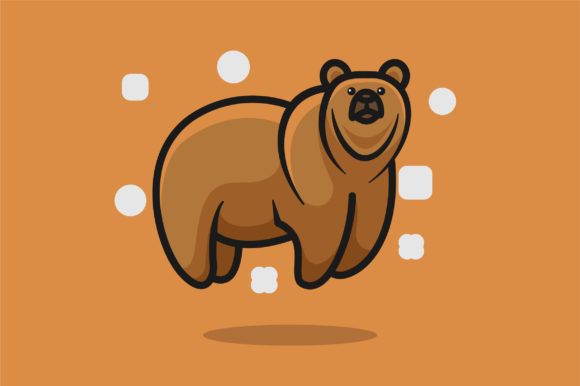
When we talk about a "cute bear" in the context of professional design assets, we are looking for more than just a cartoon animal. The visual characteristics here are defined by a carefully selected color palette that avoids trendy neon shades in favor of warm, inviting tones. This creates a "timeless feel" that ensures your project won't look dated in six months. The style of the illustration balances 3D depth with a flat, approachable texture. It feels tactile and real, yet remains stylized enough to fit into diverse environments, from a corporate wellness blog to a children’s educational app.
The personality of this creative font equivalent in the illustration world is friendly and confident. It doesn't beg for attention; it invites it. For designers, this distinction is crucial. A hyper-aggressive graphic can ruin the flow of a page, but this bear acts as a grounding element. It works beautifully alongside sans serif fonts for a clean, modern look, or paired with a soft script font to enhance a cozy, inviting atmosphere. The versatility of the asset lies in its ability to adapt to the context you place it in.
Practical Applications for Creators and Businesses
How do you actually use a 3D Animal Illustration like this? The applications are broader than one might initially think. For small business owners, this asset is perfect for packaging design. Imagine a bakery or a coffee roaster using this bear on their boxes or bags. It immediately signals warmth and quality to the customer. It serves as a visual shorthand for your product's personality.
For digital marketers and content creators, the bear is a powerful tool for engagement. In web design, you can use it as a mascot that guides users through a tutorial or highlights a specific call-to-action. In social media graphics, a consistent visual element helps with recognition. If you are running a campaign, using this bear across different platforms creates a cohesive thread that ties your content together. It is an easy way to inject personality into otherwise dry information.
Furthermore, entrepreneurs building a brand identity from scratch often struggle with finding assets that look professional but are also budget-friendly. Because this illustration comes in multiple formats (AI, EPS, JPG, SVG), it offers the flexibility of a premium font. You can scale it without losing quality, edit the vectors to change colors, or use the JPG for quick mockups. This adaptability makes it a staple in a designer’s toolkit, much like a reliable serif font or a bold display font.
Integrating the Asset into Your Workflow
Using the asset effectively requires a bit of strategy. Just as you would test a font pairing before finalizing a logo, you should evaluate how this illustration interacts with your existing color scheme. The "timeless feel" mentioned earlier means it likely uses earth tones or pastels. If your brand identity is built on high-contrast neon colors, you may need to adjust the illustration’s hue using the provided vector files.
Consider the visual hierarchy of your layout. The bear should support your message, not overshadow it. If you are designing a landing page, placing the bear near the footer or as a background watermark can add depth without cluttering the header. In editorial design, such as a magazine or a PDF guide, the illustration can serve as a section divider or a spot illustration to break up long blocks of text. This improves the reader's experience by providing visual rest points.
The included files—AI, EPS, JPG, and SVG—cover almost every need. The SVG file is particularly valuable for web design because it keeps the file size small while maintaining crisp edges on any screen resolution. The AI and EPS files are essential for print projects, ensuring that your packaging design or physical merchandise looks sharp and professional. Always review the licensing terms before use; since this is a commercial asset, you have the freedom to use it in client work, which is a significant advantage for freelancers and agencies.
Why This Style Resonates with Modern Audiences
There is a reason why 3D illustrations have become a staple in modern typography and design trends. They offer a sense of tangibility that flat design sometimes lacks. However, the "cute" aspect of this bear softens the corporate edge. It humanizes a brand. In a digital landscape saturated with sterile, minimalist interfaces, a friendly, well-rendered character can make a website feel more accessible. It builds an emotional bridge with the viewer.
For bloggers and publishers, using a consistent character can help build a loyal audience. Readers start to associate the visual with the value you provide. It becomes part of your voice. Whether you are selling a product, offering a service, or simply sharing ideas, this 3D Animal Illustration provides a solid visual foundation. It is a practical, high-quality solution for anyone looking to elevate their visual content without relying on generic stock photography. By integrating this asset thoughtfully, you ensure your projects look polished, cohesive, and ready for the real world.